
During spring 2023, the Stone Center will explore the phenomenon of physical resistance by African captives caught up in the grip of European slavery. Using information, images, and testimony from various sources, along with the work of historians and other scholars, we provide information that will help audiences better understand how captive Africans fought, from the very moment of subjugation, for their freedom.
Unlike other work on resistance that focuses on actions by enslaved individuals that took place in various parts of the Americas, this exhibition, instead, focuses on what we call the “first acts of self-emancipation” by those who fought back aboard slave ships by any means necessary. This approach allows us to examine both the individual and collective practices of enslaved individuals who had been captured by slavers or who were sold by those in power among and within African nations.
The exhibition opening occurs simultaneously with a companion speaker series that features leading scholars whose work addresses some aspect of the special world and culture of the enterprise of slavery and the slave ship. The first speaker in the series is historian and scholar-activist Marcus Rediker, who will describe the unique social dynamics that came to define European slavery as recounted in his The Slave Ship: A Human History (Penguin Books, 2008).
Speaker: Marcus Rediker
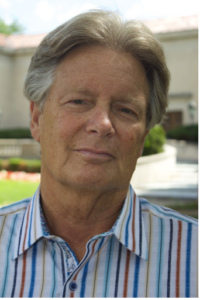
Marcus Rediker
Marcus Rediker is Distinguished Professor of Atlantic History at the University of Pittsburgh. His “Histories From Below” have won numerous awards, including the George Washington Book Prize, and have been translated into seventeen languages worldwide. He is the author of The Slave Ship: A Human History (2007) and The Amistad Rebellion: An Atlantic Odyssey of Slavery and Freedom (2012), which was the basis for his prize-winning documentary film, Ghosts of Amistad: In the Footsteps of the Rebels, directed by Tony Buba. He is currently writing a book about escaping slavery by sea in Atlantic antebellum America. Rediker has won a number of awards for his work, such as the George Washington Book Prize (2008), OAH Merle Curti Award (2008), National Endowment for the Humanities Fellow (2005–06), American Council of Learned Societies Fellow (2005–06), Distinguished Lecturer, OAH (2002–08), International Labor History Book Prize (2001), OAH Merle Curti Social History Book Award (1988) and ASA John Hope Franklin Book Prize (1988).